
Zena Algae Peel Benefits Candidates and Contraindications
Some exfoliating treatments polish the skin. Others create a controlled renewal response. The Zena Algae Peel sits in the second category, which is why it gets attention from people looking for smoother texture, brighter tone, and clearer-looking skin without using a traditional acid peel.
This treatment is often described as a natural or bio-peeling option because it uses algae-derived ingredients and tiny mineral-like particles to encourage surface exfoliation. It is still an active skin treatment, though. The right candidate assessment matters, and so does aftercare.
This article is for general information only and does not replace advice from a qualified skin professional or medical provider.
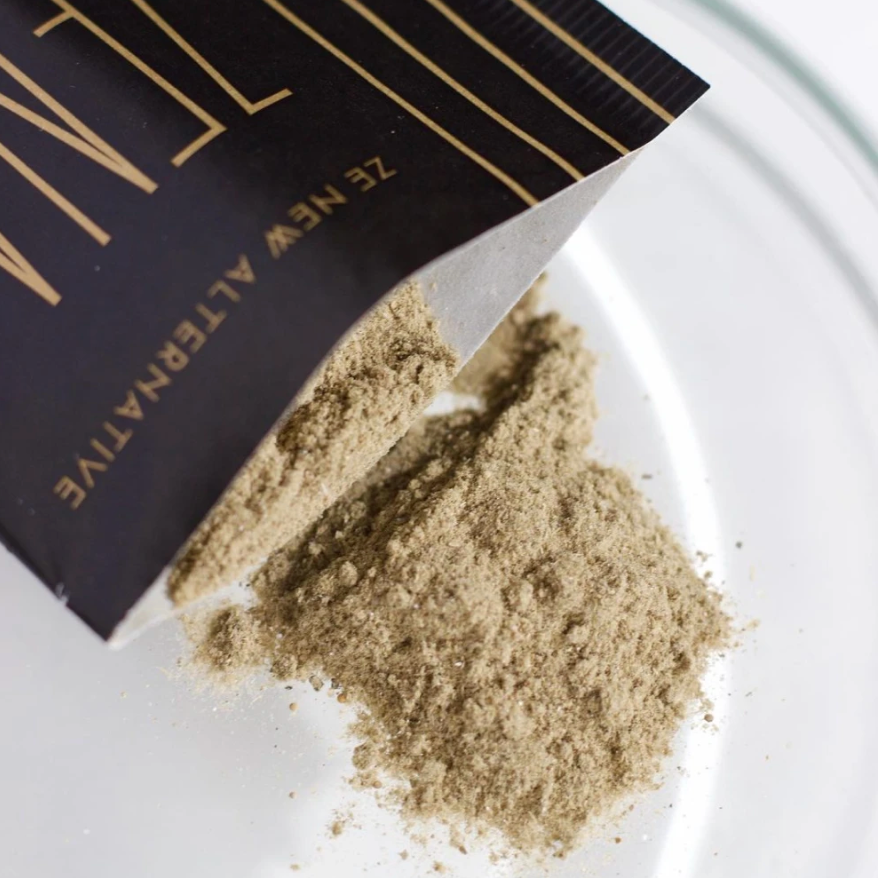
What the Zena Algae Peel is
The Zena Algae Peel is a professional skin resurfacing treatment made with algae-based ingredients. Depending on the protocol used by the clinic or spa, the formula is massaged into the skin to create a stimulating effect. Many algae peel systems use microscopic particles, often called spicules, to help trigger exfoliation and support visible skin renewal.
Unlike some chemical peels that rely mainly on acids such as glycolic, lactic, or salicylic acid, this peel is known for its mechanical and biological action. The skin may feel prickly during and after the treatment. That sensation is part of why professional guidance is so important.
After the peel, the skin usually goes through a renewal cycle. Common experiences may include:
Redness or warmth
Tightness
A prickly feeling when touching the skin
Dryness or flaking
Mild peeling over the next few days
The depth and intensity can vary. A lighter session may create mild flaking, while a stronger protocol may lead to more noticeable peeling. Skin preparation, skin type, treatment time, pressure, and aftercare all affect the result.
The main benefits of a Zena Algae Peel
The appeal of this treatment is that it can address several common skin concerns at once. Results vary, but the most common benefits are linked to exfoliation, improved skin turnover, and a fresher surface appearance.
Smoother skin texture is one of the main reasons people choose this peel. By helping shed dull surface cells, the treatment can make rough or uneven skin feel more refined.
Brighter-looking skin is another common goal. When dead skin cells build up, the complexion can look flat or tired. After the peeling phase, many people notice a clearer and more radiant look.
The peel may also help improve the look of:
Congested pores
Mild acne marks
Uneven tone
Post-breakout discolouration
Dullness
Fine surface lines
Rough patches
Some people seek this treatment as part of an acne-care plan. It may help with the appearance of clogged pores and post-acne marks, but it is not a cure for acne. Active, inflamed, cystic, or infected acne needs careful assessment before any peel.
Who is a good candidate
A good candidate is someone with generally healthy skin who wants visible renewal and understands that peeling, redness, and temporary sensitivity can happen. The treatment works best when expectations are realistic.
The Zena Algae Peel may be suitable for people concerned with:
Dull or tired-looking skin
Uneven texture
Mild congestion
Enlarged-looking pores
Oily or combination skin
Mild post-acne marks
Uneven tone from past breakouts
Early visible signs of ageing
It can be considered for different skin tones, but darker skin tones and skin that marks easily need extra care. Any peel or resurfacing treatment can increase the risk of post-inflammatory hyperpigmentation if the skin is over-treated or exposed to sun too soon after treatment.
A strong candidate also commits to aftercare. That usually means avoiding sun exposure, heat, exfoliating products, retinoids, and picking at peeling skin for the period recommended by the provider.
Who should avoid the treatment
Contraindications are the conditions or situations where a treatment should not be done, or should only be done with medical clearance. This is where a detailed consultation matters.
A Zena Algae Peel is generally not recommended for skin with:
Open cuts, abrasions, or wounds
Active cold sores
Active skin infection
Fresh sunburn
Severe inflammation
Eczema, psoriasis, or dermatitis flare-ups
Recent waxing or aggressive exfoliation
A compromised skin barrier
Some health and medication factors may also make the peel unsafe or unsuitable. A provider should screen for:
Contraindication | Why it matters |
Pregnancy or breastfeeding | Many clinics avoid active peel treatments during this time as a precaution. |
Recent isotretinoin use | Skin may be more fragile and prone to irritation or scarring. |
History of keloid scarring | Resurfacing treatments may carry a higher risk. |
Uncontrolled diabetes | Healing may be slower or less predictable. |
Immune suppression | Infection and delayed healing risks may increase. |
Recent laser, microneedling, or strong peels | The skin may not have fully recovered. |
Allergy or sensitivity to algae, marine ingredients, or peel components | A reaction could cause significant irritation. |
Timing also matters. If the skin has recently had injectables, facial surgery, laser resurfacing, or a deep peel, the provider should advise how long to wait. When in doubt, delay the treatment.

What to expect before and after the peel
Before treatment, the provider should ask about skin history, medications, allergies, recent procedures, sun exposure, and current home care. Products such as retinoids, exfoliating acids, benzoyl peroxide, and scrubs may need to be paused before the appointment.
During the session, the peel is usually applied and massaged into the skin. The sensation can feel warm, prickly, or scratchy. Some people describe a lingering “pins and needles” feeling for a day or more, especially when washing the face or touching the skin.
After treatment, the skin barrier needs protection. Common aftercare guidance includes:
Use a gentle cleanser only
Apply soothing, approved moisturiser
Avoid makeup for the recommended period
Do not pick or pull peeling skin
Avoid saunas, hot yoga, intense exercise, and hot showers at first
Wear broad-spectrum SPF every day
Avoid direct sun exposure
Peeling is not the only sign of success. Some people flake heavily, while others shed more subtly. The goal is healthier-looking renewal, not the most dramatic peel possible.
How to decide if it is right for your skin
The best way to decide is through a consultation, not a trend. A trained provider should look at the skin in person, review health history, and explain the expected downtime.
Ask these questions before booking:
What strength or protocol will be used?
How much peeling should be expected?
What products should be stopped before treatment?
What aftercare products are safe?
How long should sun, heat, and workouts be avoided?
What signs of irritation should prompt a follow-up?
A good provider will also say no when the skin is not ready. That might mean repairing the barrier first, calming acne inflammation, waiting after another procedure, or choosing a gentler option.
The Zena Algae Peel can be a useful option for smoother texture, brighter tone, and refreshed-looking skin, especially when performed by a skilled professional. It is still an active resurfacing treatment, so candidacy and contraindications matter. The safest results come from honest screening, careful technique, and patient aftercare.


Comments